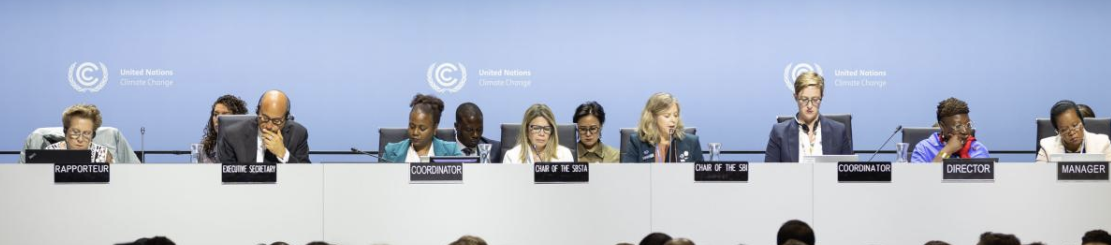
BONN, Germany, June 18, 2026 – The latest round of climate negotiations is drawing to a close in Bonn (SB64) today amid growing concerns over the ability of the United Nations climate process to deliver the scale and speed of action required by the climate crisis.
As preparations begin for the COP31 climate talks in Antalya, Türkiye, in November, governments face mounting pressure to address the structural barriers that continue to hinder progress, particularly decision-making rules that hinder the majority from moving forward when consensus is not possible and the absence of safeguards against undue corporate influence, while delegates and activists from the Global South and climate-vulnerable countries continue to face undue obstacles to their participation.
“At the climate talks in Bonn, States failed to make meaningful progress and pushed back on already established agreements, exposing a critical truth: climate justice should not be vetoed, and reform of the UNFCCC is needed to enable climate action at the speed and scale the crisis demands. Effective multilateralism is the only way out of the climate crisis, and this process does not live up to that expectation. These talks demonstrated that, increasingly, governments, UN officials, and other actors recognize this reality. As calls for change accelerate, decisions about how the process is organized, who can participate, and how outcomes are reached will shape the future of global climate governance. Now is the time to move from words to actions, and critical opportunities to do so have emerged in Bonn,” said Lien Vandamme, CIEL’s Senior Campaigner.
It is encouraging that, after more than three decades, the UNFCCC has begun to acknowledge concerns around the corporate capture of the process. The open dialogue on transparency and integrity that happened in Bonn represents an important – but long overdue – step towards addressing the influence of polluting industries in the climate negotiations. This dialogue must be the start toward a meaningful, comprehensive policy to address corporate capture of climate negotiations. A climate process that remains vulnerable to obstruction and corporate influence cannot deliver the action this crisis demands. The informal consultation announced by the COP31 Presidencies on improving the process is another key opportunity to advance this work and should prioritize substantive UNFCCC reform while fostering meaningful engagement with governments on the issue.
“The Santa Marta Conference demonstrated that a fossil fuel phaseout is not out of reach, and the United Nations resolution, supported by the overwhelming majority of countries, on implementing the International Court of Justice climate Advisory Opinion underscored that climate action must be anchored in legal obligations of prevention, cooperation, and accountability. But Bonn showed that the institutions meant to deliver that accountability remain constrained by outdated rules and undue influence from polluting interests. We need effective multilateralism and an effective climate regime, not one that is incapable of delivering accountability or tackling the root cause of the climate crisis, fossil fuels, at the speed and scale the crisis demands. As attention turns to COP31, governments must confront the structural barriers that continue to delay meaningful action, from consensus rules that allow a small number of States to block progress, to the absence of robust safeguards against conflicts of interest, or violations of the rights of meaningful participation of representatives from climate-vulnerable communities,” concluded Erika Lennon, CIEL’s Senior Attorney.
###
Media Contact
Rossella Recupero, Communications Campaign Specialist: [email protected] | +41 762 165 976
Photo by IISD/ENB – Kiara Worth