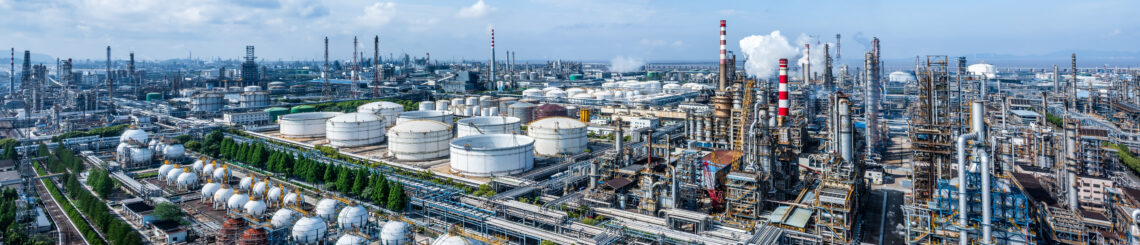
WASHINGTON, DC, Aug. 6, 2025— A new analysis by the Center for International Environmental Law (CIEL) reveals that several companies granted air pollution regulation exemptions by the president are also planning to expand petrochemical production — even at the same facilities — posing significant risks to public health and the environment.
These rollbacks grant temporary exemptions from air emissions standards for harmful chemicals such as ethylene oxide and chloroprene, which are linked to cancer and other severe health risks, as well as other regulatory requirements.
Several of the companies benefiting from these exemptions— including BASF, Chevron Phillips, Formosa Plastics, Shell, and Westlake — are also heavily investing in expanding their petrochemical operations, with many new projects located at or near existing exempted facilities, enabling new buildouts in communities already burdened by pollution.
In total, 52 facilities across the US are now exempt from key air quality standards under the administration’s deregulatory action, which is based on a seldom-used provision of the Clean Air Act and may be subject to challenge. As these companies continue to lobby for weaker environmental regulations, the health and safety of local communities are sacrificed to protect the profits of big polluters.
“This deregulatory action is not only opposed to the Environmental Protection Agency’s mandate, it may be unlawful,” said Steven Feit, CIEL’s Senior Attorney and Legal and Research Manager. “These exemptions rely on thin claims of technological unavailability and — concerningly — the claim that it is in the national security interest to enable continued pollution. In reality, this action will only serve to pad the bottom lines of these petrochemical companies while continuing the legacy of harm for communities exposed to their pollution.”
These rollbacks highlight a deeper, systematic issue: corporations continue to exercise significant influence over policy decisions, ensuring that harmful practices persist while local communities bear the brunt of the environmental and health impacts. This pattern undermines efforts to protect public health and the environment, prioritizing corporate profits over the well-being of people. As a result, the most affected communities continue to suffer preventable harm, further exacerbating social and environmental injustices.
This action by the Trump administration also highlights the importance of the ongoing final negotiating session for a global plastics treaty. The US retreat from environmental leadership at home and abroad underscores the need for a strong, binding, international agreement that addresses the full life cycle of plastics, including their petrochemical origins.
Media Contact
Maria Frausto, Communications Director at [email protected]